






Hover
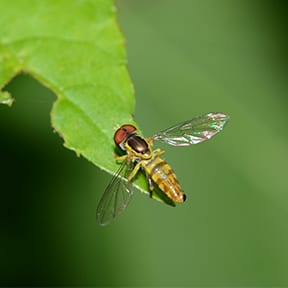
Hoverflies are often mistaken for bees due to their looks, but they have more in common with them than just appearances. They feed on nectar and pollen and can help pollinate plants in the same way bees do. Hoverflies’ larvae also eat aphids, which cause millions of dollars in crop damage each year, making hoverflies…
Read MoreFruit
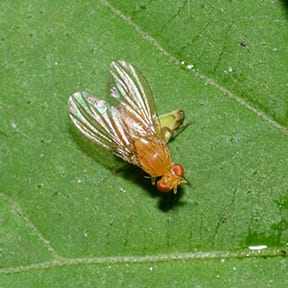
For Fruit Flies (Drosophila Fly), there is nothing better than ripening fruits in the house, which they eat and then lay eggs on top of. Not surprisingly, they are named after what they are attracted to, but they may also be found in areas where there is moist and decaying food, such as the garbage…
Read MoreFlesh
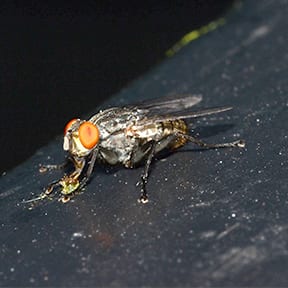
Flesh flies are often the first insects to be found on animal carcasses. They lay their eggs in decaying material and can often be found on dog excrement. While they don’t commonly come in homes or businesses in large numbers, places like butcher shops or dog kennels can potentially have problems with them. Anywhere animals…
Read MoreCrane
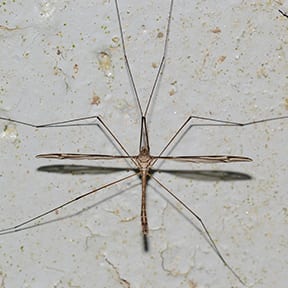
An agricultural pest found worldwide, the Crane Fly looks similar to mayflies. They feed on the roots and leaves of crops, which can seriously damage or destroy them. They are invasive in the United States, and their larvae can be found on fruits, vegetables, lawns, and ornamental plants. Get in touch with your local Indianapolis,…
Read MoreCluster
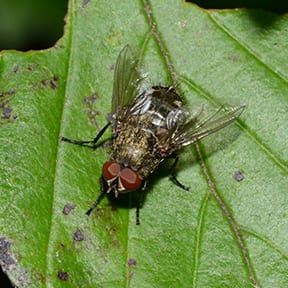
Cluster flies, or Pollenia rudis, generally make an appearance in autumn as they fly near the sides of the home looking for a place to stay for the winter. They can enter your home in great numbers if they find an entrance. While they will probably not reproduce in your home, on warm days they…
Read MoreBottle
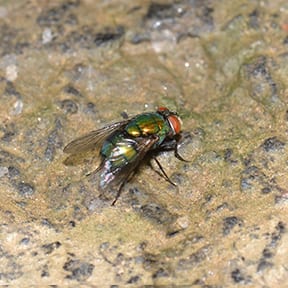
With a metallic green and copper appearance that distinguishes them from house flies, Bottle Flies are still as much or more of a nuisance. These pests feed on decaying material and can be found near trash cans, animal feces, or decaying flesh. They are a concern to human health as they can spread disease, and…
Read MoreBlow
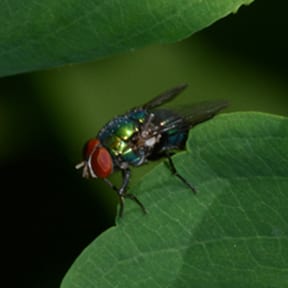
There are over 80 reported species of Blow Flies in North America. They are metallic in appearance and can usually be found buzzing around any food you may have left out—especially decaying meat. They are most active during the day and are attracted to the light from windows. While they usually act as simply a…
Read MoreRobin
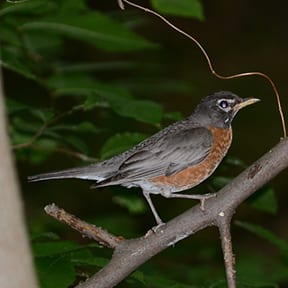
One of the most common birds in North America, Robins are only behind the red-winged blackbird in abundance in North America. They migrate between the north and south of the continent between seasons. Robins often flock to the Gulf of Mexico for winter and return to the Northern US in spring. On rare occasions, robins…
Read MoreEuropean Starling
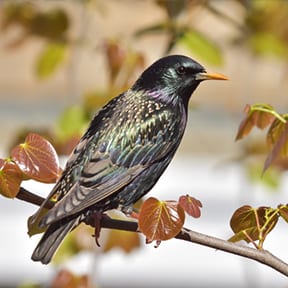
Also known as common starlings, these birds were introduced in New York in 1890. The original 60 birds have now swelled to a population estimated at over 150 million, and these birds are a common sight across North America. Starlings can make a variety of noises from whistles and chirps to mimicking the calls of…
Read MoreCrow
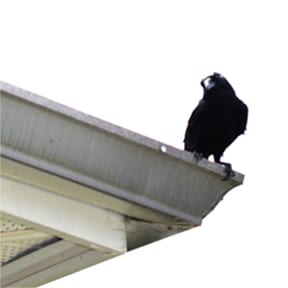
These 10-20 ounce black birds are omnivorous, eating most things they can find and are known for their distinctive cawing. While some of their feeding is done on crops that are available to them, they greatly offset this with the number of pests and other insects they eat. Their habitat can range from Southern Canada…
Read More