






Orchard Orb Weaver
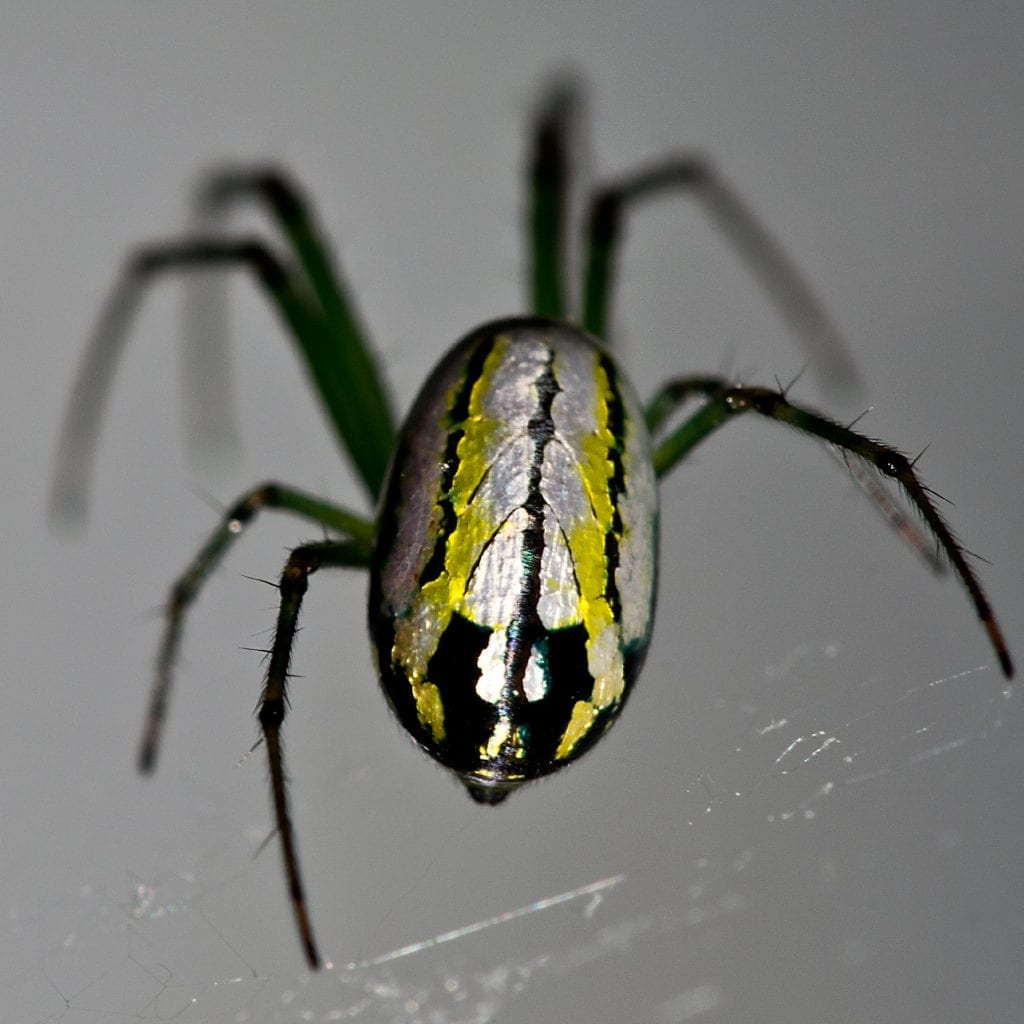
The Orchard Orb Weaver, or Orchard spider, is named for its prevalence in orchards. It’s a very colorful, beautiful spider, and it tends to spread its webs with other Orchard spiders in a cooperative manner. They inhabit bushes, shrubs, and lower parts of trees and wait for prey to come to them. If you’re dealing…
Read MoreMexican Red-Kneed Tarantula
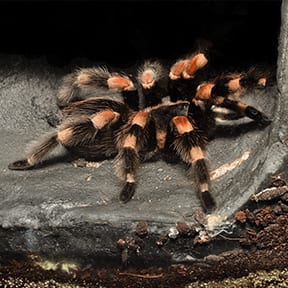
The Mexican Red-Kneed Spider inhabits the dry areas in western Mexico. They tend to build burrows underneath convenient objects, where they retreat from the heat of the day. While not particularly aggressive, its hairs can cause unpleasant skin reactions in humans.
Read MoreHarvestman Spider
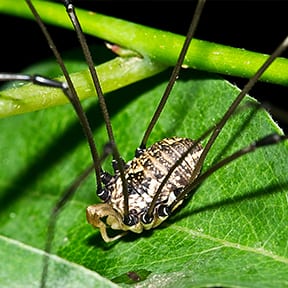
The Harvestman Spider is more commonly known by the nickname, “daddy longlegs.” The Harvestman spider is largely harmless, being a beneficial predator and unable to bite or produce venom. But if you have a problem with Harvestman in your home, don’t hesitate to call a pest control professional for help.
Read MoreFishing Spider
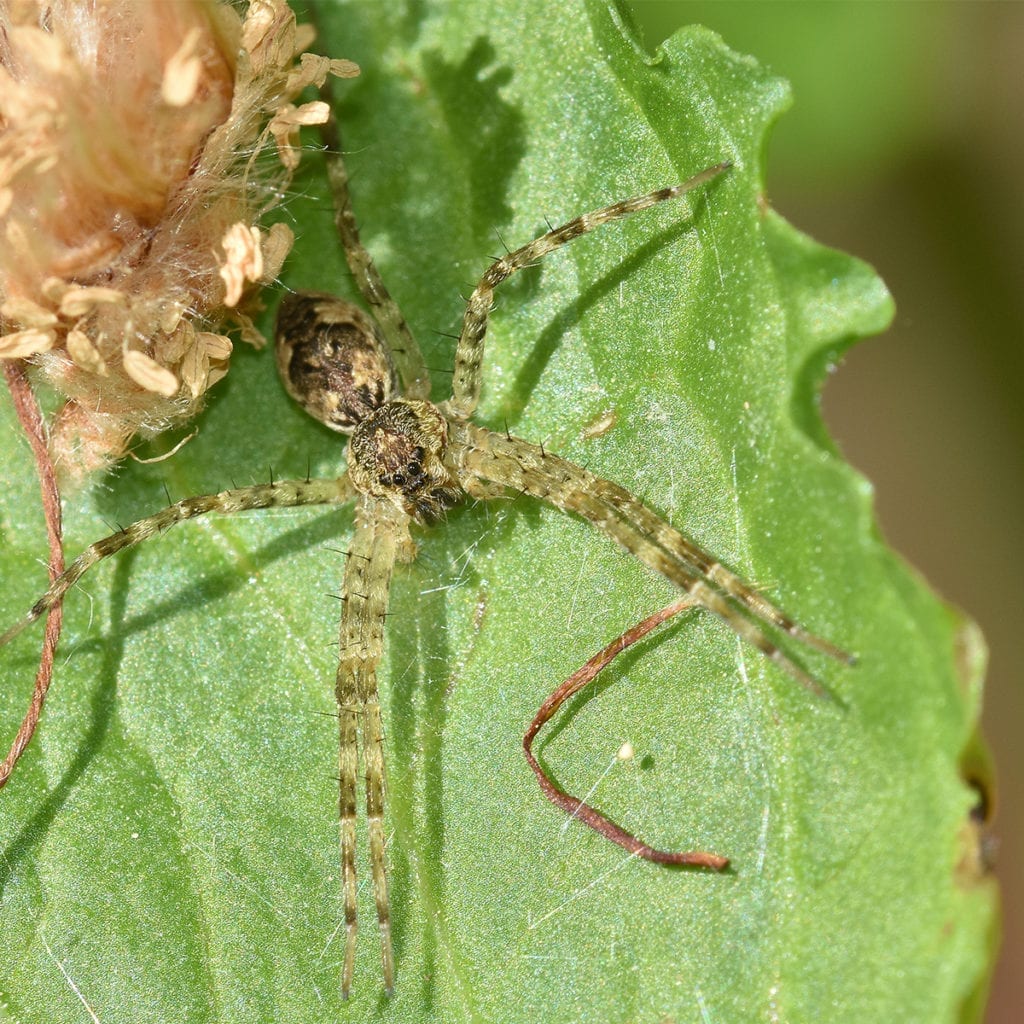
Fishing Spiders grow to be quite large, their legs stretching out 3 inches. These intimidating pests get their name from their affinity to water and predatory nature. They can hunt on land and under water, being able to stay underneath the surface for as long as 30 minutes! Fishing spiders can bite, so seek out…
Read MoreBrown Widow Spider
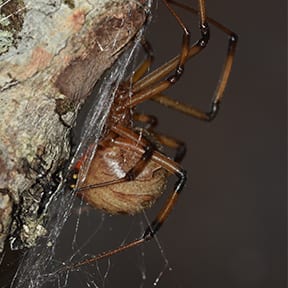
Brown Widow spiders are similar to Black Widow spiders. The difference lies in their brown appearance, tan and brown striped legs, and the missing red hourglass marking on its back. Unlike Black Widows, Brown Widows tend to make webs in more open areas, increasing the potential for humans to be bitten. Keep these pests at…
Read MoreBrown Recluse Spider
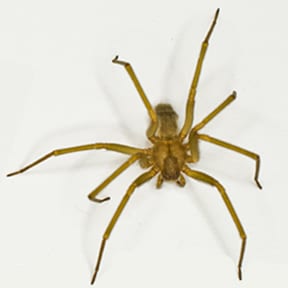
Brown recluse spiders can be a whitish, dark brown, or black-gray color and have a marking resembling a violin on their dorsal side. These spiders only have six eyes, as opposed to having eight eyes like most spiders. Brown recluse spiders are typically between 6-20 mm. These spiders inhabit dry and undisturbed areas, such as…
Read MoreArgiope Aurantia
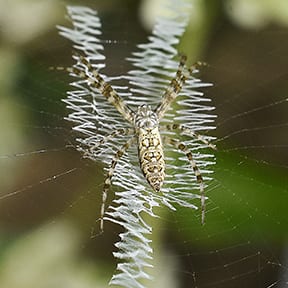
Known commonly as the yellow garden spider, the Argiope Aurantia is prevalent throughout North America. This spider tends to be a homebody, spreading wide webs wherever it lives and rarely moving far away. They aren’t very aggressive creatures, but if disturbed, they may bite, which feels similar to bee sting.
Read MoreAnt Mimic Spider
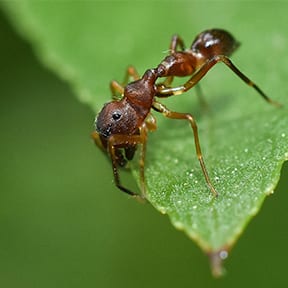
The Ant Mimic Spider is just as it sounds. It looks and acts like an ant—with similar coloring and even walking with its front legs raised like antennae. Their slender bodies cause them to produce fewer eggs, which means they lay more egg sacs than other types of spiders. If you’re being overrun by these…
Read MoreTiger Centipede
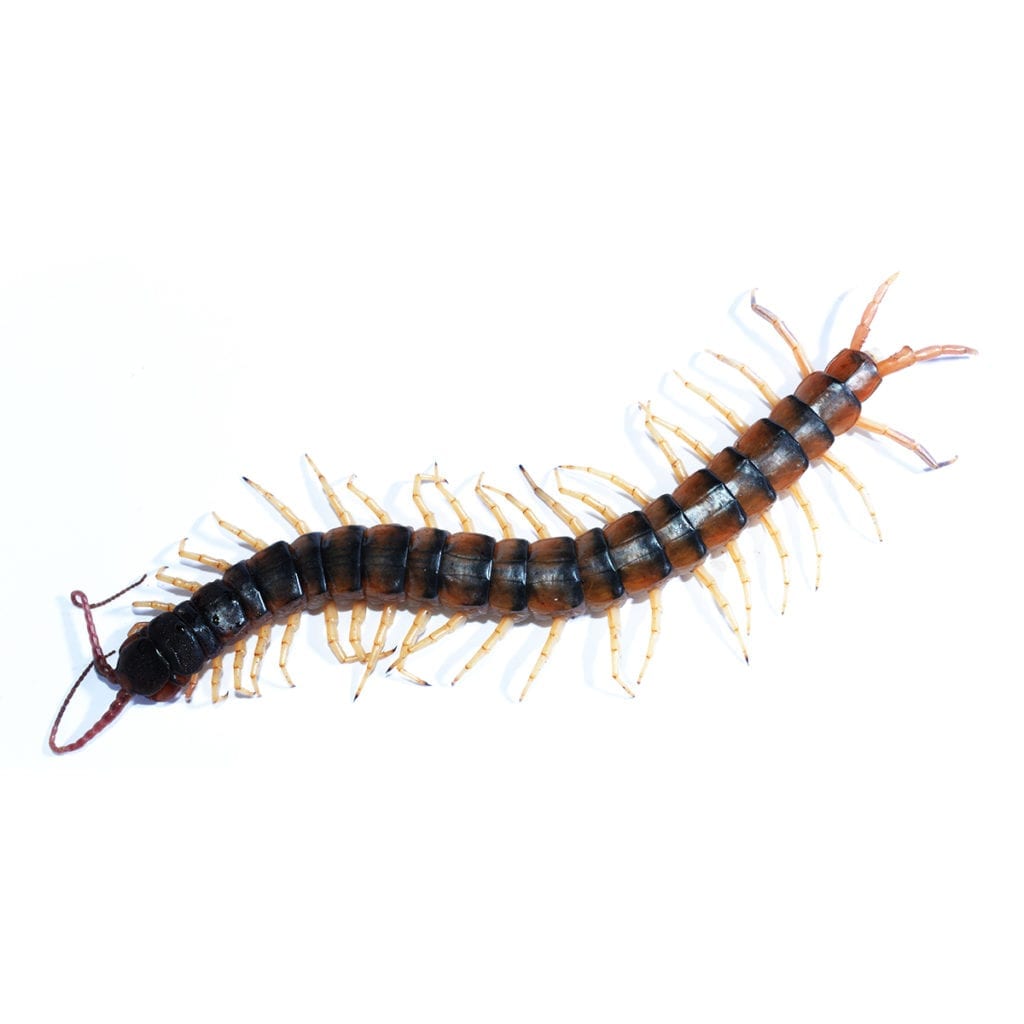
The Tiger Centipede is most commonly a resident of the American Southwest and Northern Mexico. These centipedes are venomous and cause a painful sting when they bite. This can be problematic with small children and people with allergies. Those that are bitten should be closely watched, and medical attention may be necessary. Contact AAA Exterminating…
Read MoreSnails
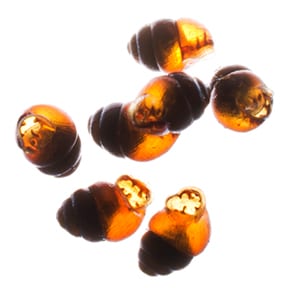
While not being any physical threat to humans, Snails are a real nuisance when it comes to the vegetation in and around your home. They thrive in areas with plenty of moisture, and they rarely come out on sunny days, as they are always struggling to retain body moisture.
Read More